

Property is one of the few investments that has the potential to appreciate significantly over time. Whether you own a residential home, commercial building, or investment plot, understanding the factors that increase property value can help you make smarter buying, selling, and investment decisions.
Many people believe that property prices only rise because of market demand. While demand certainly plays a role, several other elements contribute to property value appreciation. Location, infrastructure, legal status, economic growth, neighborhood development, and property maintenance all influence how much a property is worth in the long run.
In this article, we’ll explore the top factors that increase property value over time and explain how investors can maximize their returns while reducing risks.
1. Prime Location
Location has always been the most important factor affecting real estate prices. Even a well-designed property may struggle to appreciate if it is situated in an undesirable area.
Properties located near:
- Schools and universities
- Hospitals
- Shopping malls
- Public transport
- Business districts
- Parks and recreational facilities
usually experience stronger price growth.
Areas with low crime rates, clean surroundings, and better public services also attract more buyers, increasing long-term demand. This is why experienced investors prioritize location over almost every other factor when evaluating a property’s potential. Understanding key real estate terms can also help buyers make informed investment decisions.
2. Infrastructure Development
New infrastructure projects can dramatically improve property value over time.
Examples include:
- New highways
- Metro systems
- Flyovers
- Ring roads
- Airports
- Industrial zones
- Smart city projects
Improved connectivity makes an area more attractive for residents and businesses. As accessibility improves, demand for nearby properties often rises, resulting in higher market prices.
Many successful investors purchase land before major infrastructure projects are completed because they expect future appreciation.
3. Economic Growth
A growing economy creates more employment opportunities, attracts businesses, and increases household income. These improvements directly impact the real estate market.
When businesses expand, more people relocate for work, increasing demand for residential and commercial properties.
Economic growth generally leads to:
- Higher property demand
- Rising rental income
- Better investment returns
- Increased buyer confidence
Regions experiencing steady economic development typically enjoy healthier real estate markets than economically stagnant areas.
4. Population Growth
Population growth naturally creates greater demand for housing.
As cities become more crowded, the need for homes, apartments, commercial buildings, and office spaces continues to increase.
Urbanization also encourages governments to improve roads, utilities, and public facilities, further boosting property prices.
Areas experiencing rapid population growth often see consistent appreciation in both residential and commercial real estate.
5. Government Development Projects
Government investment plays a significant role in increasing property values.
Large public projects such as:
- New roads
- Water supply systems
- Public transportation
- Educational institutions
- Healthcare facilities
- Parks
- Commercial zones
make neighborhoods more attractive to buyers.
Government-backed development usually improves the quality of life, encouraging private investment and increasing real estate demand.
6. Legal Approvals and Clear Ownership
Properties with complete legal documentation generally command higher prices than those with uncertain ownership.
Buyers prefer properties that have:
- Approved layout plans
- Clear ownership records
- Registered titles
- Government approvals
- Proper land use permissions
Legal certainty reduces investment risk and makes financing easier through banks.
Properties involved in disputes or lacking proper approvals often experience slower appreciation and may become difficult to sell.
7. Quality Construction
Construction quality significantly influences long-term property value.
Buildings made with durable materials require fewer repairs and remain attractive for many years.
Important construction features include:
- Strong foundations
- Quality roofing
- Reliable electrical systems
- Modern plumbing
- Energy-efficient materials
- Earthquake-resistant designs where applicable
Well-built properties retain their market value better than poorly constructed buildings.
8. Regular Maintenance
Even an excellent property can lose value without proper maintenance.
Routine maintenance helps preserve both appearance and functionality.
Examples include:
- Fresh paint
- Roof repairs
- Plumbing maintenance
- Landscaping
- Electrical upgrades
- Clean surroundings
A well-maintained property creates a positive first impression and attracts more potential buyers.
Preventive maintenance is usually much less expensive than major repairs caused by neglect.
9. Modern Amenities
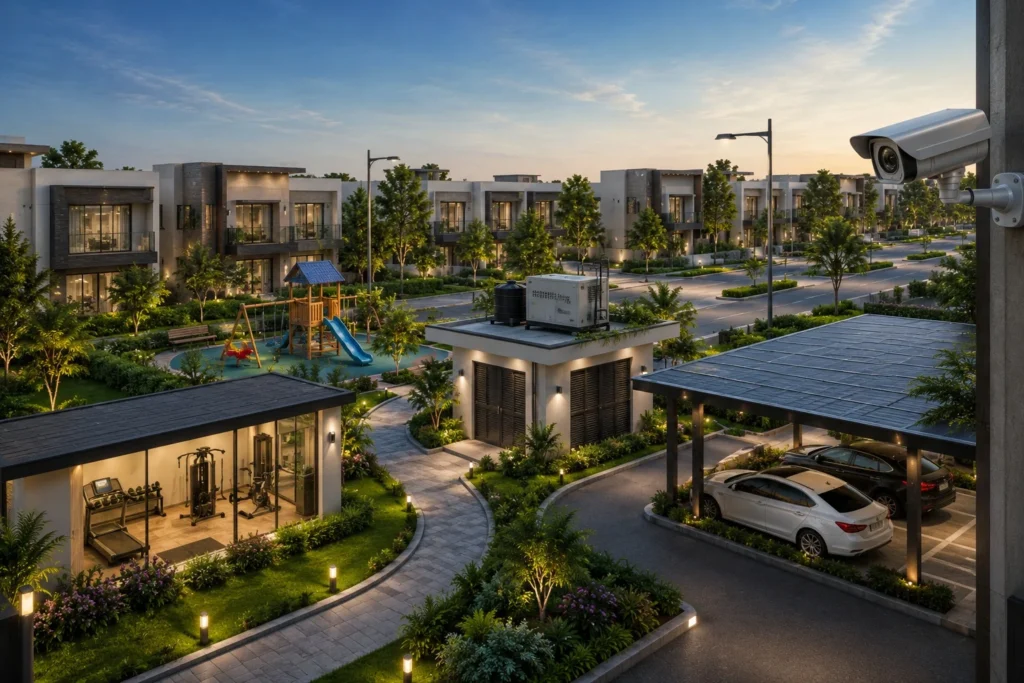
Today’s buyers expect more than just four walls.
Modern amenities can substantially increase property demand.
Popular features include:
- High-speed internet
- Backup power systems
- Security surveillance
- Smart home technology
- Elevators
- Covered parking
- Fitness centers
- Community parks
- Children’s play areas
Housing societies offering quality amenities often experience faster appreciation because buyers value convenience and comfort.
10. Neighborhood Development
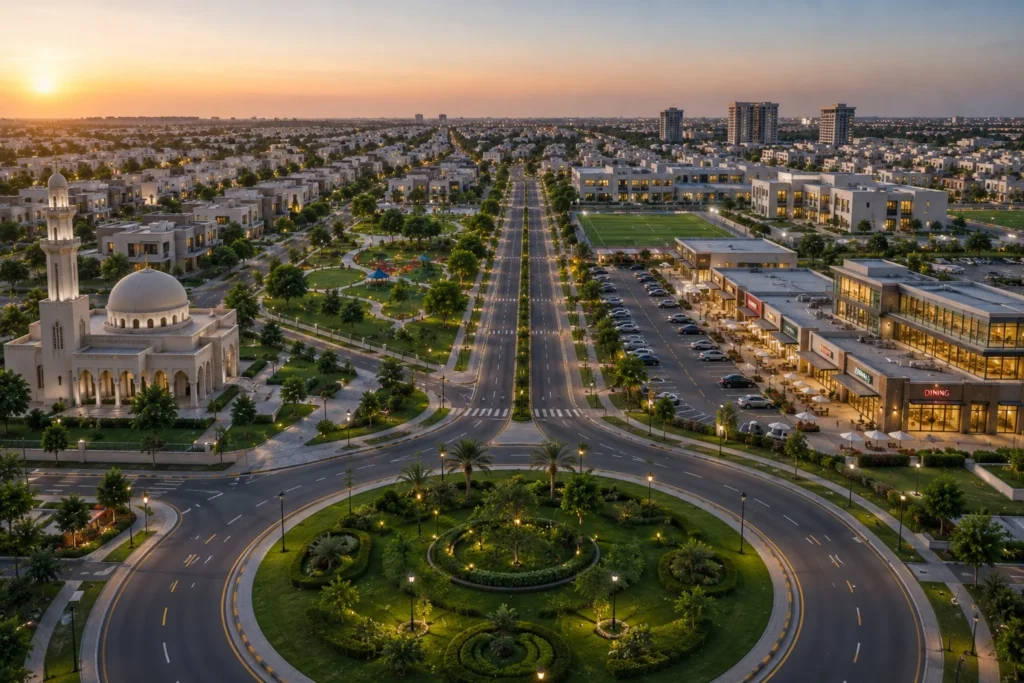
The surrounding environment influences property prices almost as much as the property itself.
A well-developed neighborhood with:
- Wide roads
- Green spaces
- Commercial centers
- Restaurants
- Schools
- Mosques
- Entertainment facilities
becomes increasingly desirable over time.
On the other hand, deteriorating neighborhoods may reduce buyer interest regardless of the property’s quality.
Community planning and ongoing development contribute significantly to long-term appreciation.
11. Supply and Demand
Real estate follows the basic economic principle of supply and demand.
When demand exceeds available supply, property prices generally increase.
Several factors can create high demand:
- Limited land availability
- Growing population
- Employment opportunities
- Infrastructure improvements
- Investor interest
Understanding local market conditions helps investors identify areas with strong appreciation potential.
12. Rental Demand
Strong rental markets often support higher property values.
Properties located near:
- Universities
- Business districts
- Industrial areas
- Hospitals
- Tourist destinations
typically generate consistent rental income.
Investors are willing to pay more for properties that offer attractive rental yields, increasing overall market value.
Rental demand also provides stable cash flow while owners wait for long-term capital appreciation.
13. Future Development Potential
Some properties appreciate because of what they may become rather than what they currently are.
Investors often evaluate:
- Planned commercial districts
- Upcoming residential projects
- Future transportation networks
- Industrial expansion
- Government master plans
Areas expected to experience significant future development frequently attract early investors.
Buying before development begins can generate substantial returns over several years.
14. Interest Rates and Financing Availability
Affordable financing encourages more people to purchase property.
Lower mortgage rates reduce borrowing costs, making homes accessible to a larger number of buyers.
When financing becomes easier:
- Buyer demand increases
- Market activity improves
- Property prices often rise
Conversely, higher interest rates may temporarily slow appreciation by reducing purchasing power.
15. Market Reputation
The reputation of a housing society or neighborhood also influences long-term value.
Communities known for:
- Reliable management
- Secure environments
- Clean infrastructure
- Good maintenance
- Transparent legal status
usually experience stronger appreciation than poorly managed developments.
A positive reputation builds buyer confidence and supports sustained demand.
Tips to Maximize Property Value
If you already own property, there are several ways to improve its future market value:
- Invest in regular maintenance and timely repairs.
- Upgrade kitchens, bathrooms, and flooring when necessary.
- Improve landscaping and curb appeal.
- Ensure all legal documents remain updated.
- Add energy-efficient features where practical.
- Stay informed about local infrastructure projects.
- Keep the property clean and well-managed.
- Monitor market trends before selling or expanding your investment.
Small improvements made consistently over time can significantly increase resale value.
Conclusion
Understanding the top factors that increase property value over time helps investors make informed real estate decisions. While location remains the strongest driver of appreciation, infrastructure development, economic growth, legal approvals, construction quality, neighborhood improvements, and consistent maintenance all contribute to long-term success.
Real estate is generally a long-term investment, and patience often rewards buyers who choose properties with strong growth potential. By focusing on quality locations, legal security, and future development opportunities, investors can improve their chances of achieving higher returns while reducing investment risks.
Whether you’re buying your first home or expanding your investment portfolio, evaluating these factors before making a purchase can help you build lasting wealth through real estate.


