The post Real Estate Investment Trends in Pakistan: Smart Investor Strategies appeared first on Asset Makers.
]]>Understanding these trends can help both new and experienced investors make informed decisions, minimize risks, and maximize returns. This article explores the latest developments in the Pakistan property market and highlights the smart investor strategies shaping the future of real estate investment.
The Evolving Real Estate Market in Pakistan
The real estate market in Pakistan has undergone significant changes in recent years. Government initiatives to improve transparency, digitalization of land records, stricter tax regulations, and increased oversight have transformed the way investors approach property transactions.
At the same time, population growth, rapid urbanization, and rising demand for housing continue to support the long-term growth of the property sector. Major cities such as Lahore, Karachi, Islamabad, Multan, Faisalabad, and Rawalpindi remain key investment hubs, while emerging urban areas are attracting attention from investors seeking higher growth potential.
Rather than focusing solely on short-term gains, many investors are now prioritizing sustainable growth, rental income, and strategically located developments.
Trend 1: Growing Interest in Affordable Housing Projects
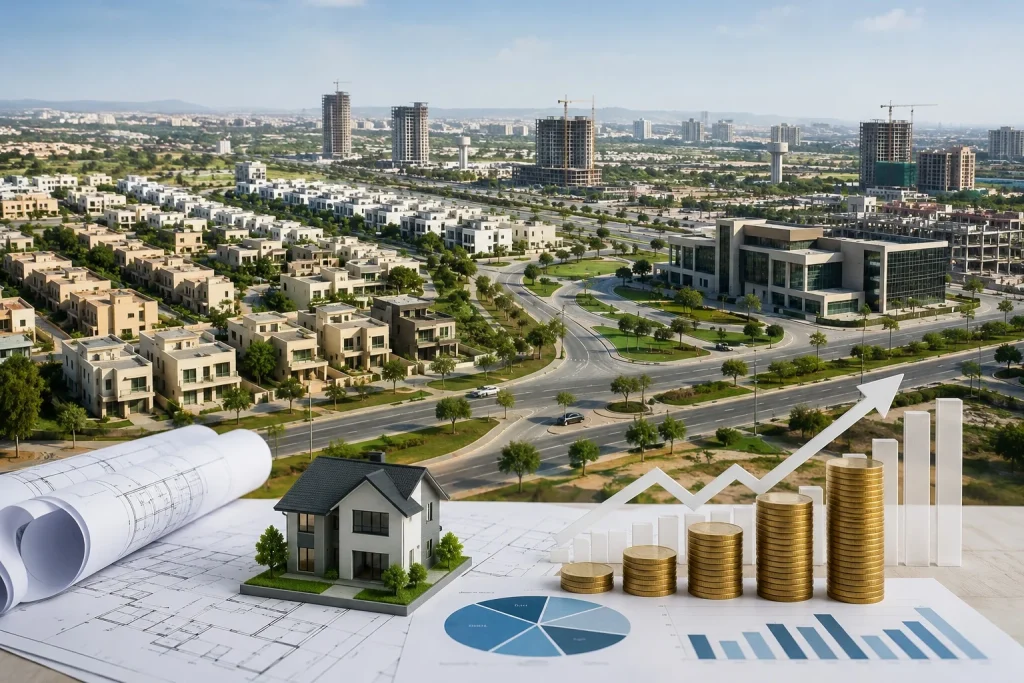
One of the most noticeable real estate investment trends in Pakistan is the increasing demand for affordable housing. Rising property prices have created opportunities for developers and investors to focus on projects that cater to middle-income families.
Government-backed housing initiatives and financing programs have further encouraged demand in this segment. Smart investors recognize that affordable housing often provides consistent demand, making it an attractive option for generating rental income and long-term capital appreciation.
Properties located near educational institutions, healthcare facilities, and transportation networks tend to attract buyers and tenants more quickly, increasing their investment value.
Trend 2: Increased Focus on Rental Income
Many investors are shifting their attention from speculative buying to income-generating properties. Rental yields have become a key consideration when evaluating investment opportunities.
Commercial properties, apartment buildings, and mixed-use developments are gaining popularity because they can provide steady cash flow while also benefiting from property appreciation over time.
This strategy allows investors to build a diversified investment portfolio and reduce dependence on market fluctuations. As demand for quality rental housing continues to grow, rental income is becoming an increasingly important component of real estate ROI.
Trend 3: Commercial Real Estate Remains Attractive
While residential properties continue to dominate the market, commercial real estate remains a preferred choice for investors seeking higher returns.
Retail spaces, office buildings, warehouses, and commercial plazas located in prime business districts often generate stronger rental yields than residential properties. The expansion of small businesses, e-commerce operations, and service industries has created additional demand for commercial spaces across Pakistan.
Smart investors carefully evaluate location, accessibility, and future development plans before investing in commercial real estate. Properties situated near major roads, transportation hubs, and business centers generally offer greater long-term value.
Trend 4: Emerging Cities Are Gaining Investor Attention
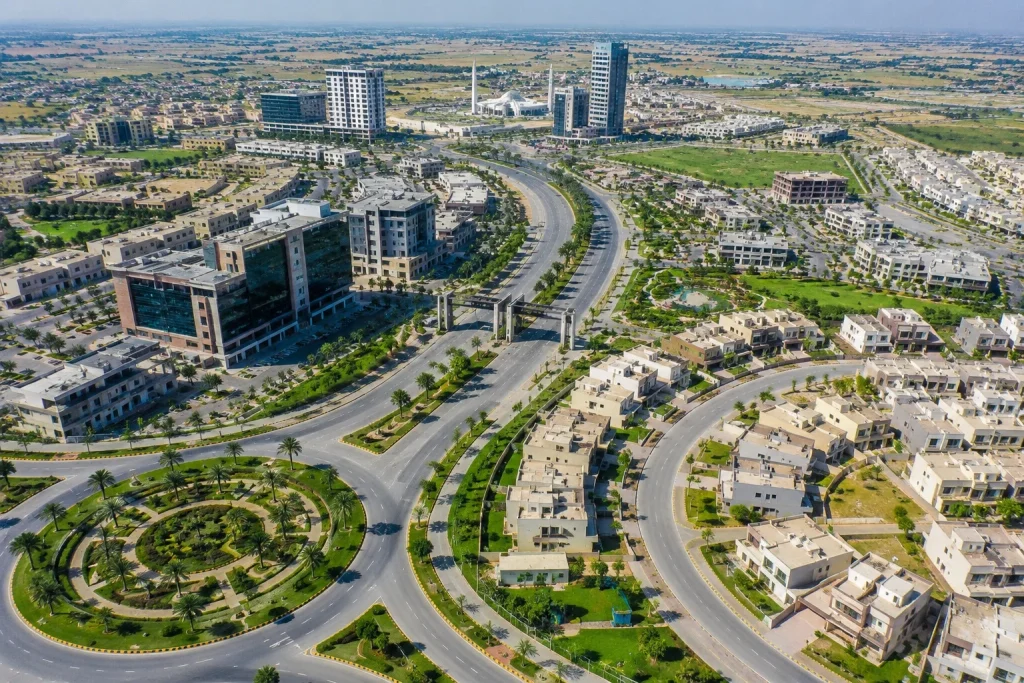
Traditionally, Lahore, Karachi, and Islamabad have attracted the majority of real estate investment. However, investors are increasingly exploring opportunities in secondary cities where property prices remain relatively affordable.
Cities such as Multan, Faisalabad, Sialkot, Gujranwala, and Bahawalpur are experiencing infrastructure improvements and economic growth that support rising property demand. New housing societies, road networks, and commercial developments are creating opportunities for early investors.
Investing in emerging markets allows investors to acquire properties at lower prices while benefiting from future growth and development.
Trend 5: Infrastructure Development Drives Property Values
Infrastructure projects have always played a significant role in shaping the Pakistan property market. New highways, ring roads, public transportation systems, and urban development projects often lead to increased property values in surrounding areas.
Smart investors closely monitor government development plans and identify locations likely to benefit from upcoming infrastructure investments. Areas located near major road projects, industrial zones, and commercial corridors often experience significant appreciation over time.
Investing before large-scale infrastructure projects are completed can provide substantial long-term returns.
Trend 6: Overseas Pakistanis Continue to Invest
Overseas Pakistanis remain an important source of investment in the country’s real estate sector. Many expatriates view property as a secure way to build wealth, maintain ties with Pakistan, and generate future income.
The availability of online property verification systems, digital payment methods, and improved transparency has made it easier for overseas investors to participate in the market.
Housing societies that offer secure environments, modern amenities, and clear legal documentation are particularly attractive to overseas buyers.
Smart Investor Strategies for 2026
Successful investors understand that market conditions constantly evolve. Instead of relying on outdated approaches, they adapt their strategies to changing trends.
Conduct Thorough Market Research
Before purchasing any property, investors should analyze market conditions, demand patterns, pricing trends, and future development plans. Comprehensive research reduces risks and improves decision-making.
Prioritize Location
Location remains one of the most important factors influencing property value. Areas with strong infrastructure, educational institutions, healthcare facilities, and commercial activity tend to perform better over time.
Diversify Investments
Many experienced investors avoid concentrating all their resources in a single property type. Combining residential, commercial, and rental properties helps reduce risk and improve overall returns.
Focus on Long-Term Growth
While short-term gains can be attractive, long-term investment strategies often produce more stable and predictable results. Investors who focus on sustainable growth are better positioned to benefit from property appreciation.
Verify Legal Documentation
Ensuring that property records, approvals, and ownership documents are legitimate is essential. Legal verification helps investors avoid disputes and protects their investments.
Challenges Investors Should Consider
Although opportunities remain strong, investors should also be aware of potential challenges. Economic uncertainty, inflation, regulatory changes, and shifting market conditions can affect investment performance.
Conducting due diligence, seeking professional advice, and maintaining realistic expectations can help investors navigate these challenges successfully.
Investors should also avoid making decisions based solely on market speculation. Instead, they should focus on properties with strong fundamentals and genuine demand.
Conclusion
The future of real estate investment in Pakistan remains promising for those who adopt informed and strategic approaches. From affordable housing and rental properties to commercial developments and emerging cities, numerous opportunities are available across the market.
The most successful investors are focusing on long-term value, diversification, infrastructure-driven growth, and careful market research. By understanding current real estate investment trends in Pakistan and implementing smart investor strategies, individuals can position themselves for sustainable growth and stronger returns in the years ahead.
As Pakistan’s property sector continues to evolve, investors who stay informed and adapt to changing market dynamics will be better equipped to capitalize on new opportunities and build lasting wealth through real estate.
The post Real Estate Investment Trends in Pakistan: Smart Investor Strategies appeared first on Asset Makers.
]]>The post Investing in Housing Societies in Pakistan: Risks and Rewards appeared first on Asset Makers.
]]>Understanding Housing Societies in Pakistan
Housing societies are planned residential communities developed by private companies or government-approved authorities. These societies offer plots, houses, and sometimes commercial spaces with basic infrastructure such as roads, electricity, water supply, parks, and security.
Popular examples include large-scale developments like DHA, Bahria Town, and other approved schemes across major cities like Karachi, Lahore, Islamabad, Faisalabad, and Multan. These projects attract investors due to their organized planning and potential for property value appreciation.
Rewards of Investing in Housing Societies in Pakistan
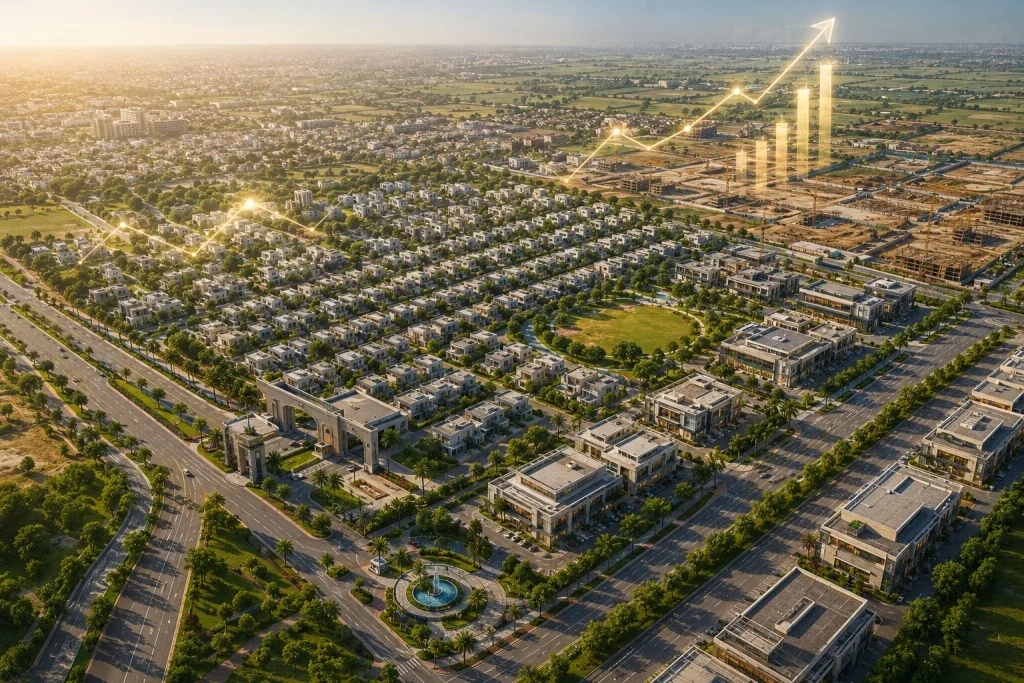
1. High Capital Appreciation
One of the biggest advantages of investing in housing societies in Pakistan is capital growth. Property values in well-developed or developing societies often increase significantly over time, especially in areas with ongoing infrastructure development.
Early investors in new housing projects usually gain the highest returns as land prices rise when development progresses.
2. Rental Income Opportunities
Housing societies offer excellent rental income potential. Houses, apartments, and commercial plots can be rented out to generate a steady monthly income. In major cities, demand for rental properties remains consistently high due to migration and urban expansion.
3. Secure and Planned Living Environment
Approved housing societies provide better security, infrastructure, and community planning compared to unregulated areas. Features such as gated entrances, surveillance systems, parks, and schools make them attractive for families and long-term residents.
4. Long-Term Wealth Building
Real estate is considered one of the most stable investment options in Pakistan. Unlike volatile markets such as stocks or cryptocurrency, housing societies offer long-term financial security and wealth accumulation.
5. Business and Commercial Growth
Investing in commercial plots within housing societies can be highly profitable. As populations grow, demand for shops, offices, and business centers increases, leading to higher rental yields and resale value.
Risks of Investing in Housing Societies in Pakistan
1. Legal and Approval Issues
One of the biggest risks in property investment in Pakistan is dealing with unapproved or illegal housing societies. Some projects are launched without proper authorization, leading to legal complications or even loss of investment.
Before investing, it is essential to verify approval from relevant authorities such as local development authorities or housing regulators.
You can read our detailed guide on How to Verify Approved Housing Societies in Pakistan: Complete 2026 for step-by-step verification methods.
2. Fraud and Scams
The real estate market in Pakistan has seen cases of fraud, where investors are sold fake plots or double-allocated properties. Lack of proper documentation and verification can result in financial loss.
Working with trusted developers and registered agents is crucial to avoid scams.
3. Delayed Development
Many housing societies promise rapid development but fail to deliver on time. Delays in infrastructure, utilities, or possession can affect investment returns and tie up capital for years.
This is especially common in newly launched or less reputable projects.
4. Market Fluctuations
Although real estate is generally stable, market conditions can still fluctuate due to economic instability, inflation, or changes in government policies. These factors can temporarily affect property prices and investor confidence.
5. Low Liquidity
Unlike stocks or bonds, real estate is not easily convertible into cash. Selling property may take time depending on market demand, location, and price trends. This lack of liquidity can be a challenge for investors needing quick returns.
How to Invest Safely in Housing Societies
To minimize risks and maximize rewards, investors should follow some essential guidelines:
- Always verify the legal approval status of the housing society
- Research the developer’s track record and reputation
- Prefer well-established or rapidly developing societies
- Visit the site physically before investing
- Avoid making full payments without proper documentation
- Consult a real estate expert or legal advisor
- Compare prices with nearby housing projects
By following these steps, investors can significantly reduce the chances of fraud and poor investment decisions.
Best Cities for Housing Society Investment in Pakistan
Certain cities offer higher growth potential due to population growth and infrastructure development. These include:
- Lahore – strong demand and premium housing projects
- Islamabad – high-value and secure investment environment
- Karachi – largest real estate market in Pakistan
- Faisalabad – growing industrial and residential expansion
- Multan – emerging investment hub with new developments
Each city has its own advantages depending on budget and investment goals.
Future of Housing Society Investments in Pakistan
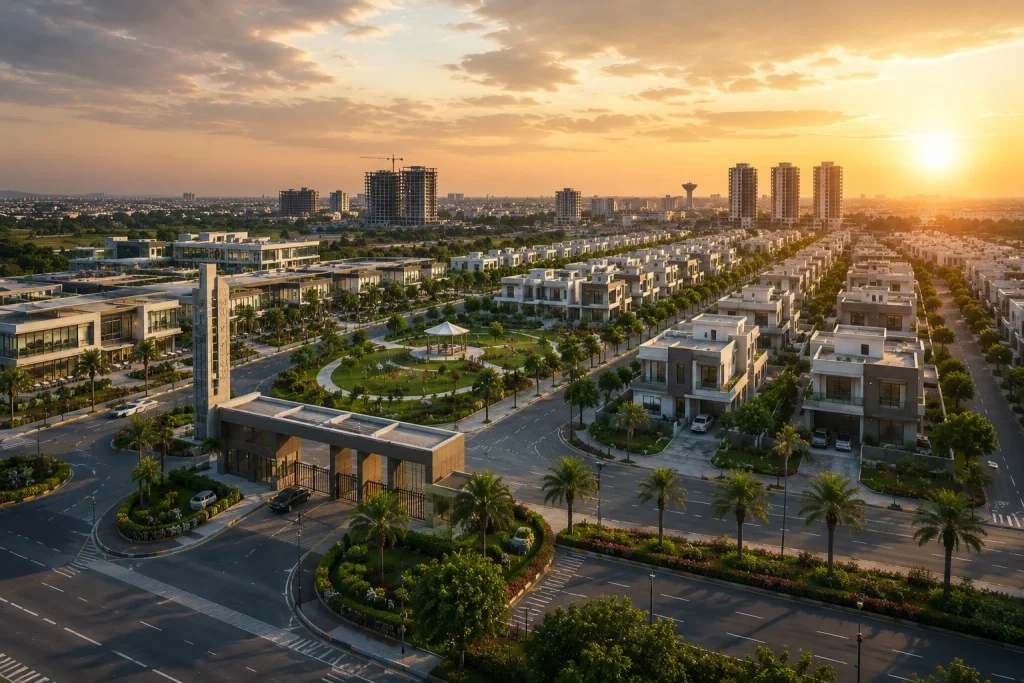
The future of housing societies in Pakistan looks promising due to ongoing urban expansion, government housing initiatives, and foreign investment interest. As infrastructure improves and regulatory frameworks become stricter, the real estate sector is expected to become more transparent and investor-friendly.
Digital property platforms and online verification systems are also making it easier for investors to research and secure safe deals.
Conclusion
Investing in housing societies in Pakistan offers both significant opportunities and notable risks. On one hand, investors can benefit from strong capital appreciation, rental income, and long-term wealth creation. On the other hand, challenges such as legal issues, scams, and market fluctuations require careful consideration.
A smart investor always conducts proper research, verifies documentation, and chooses reputable housing societies to ensure safe and profitable investment outcomes. With the right strategy, real estate investment in Pakistan can remain one of the most rewarding financial decisions for the future.
The post Investing in Housing Societies in Pakistan: Risks and Rewards appeared first on Asset Makers.
]]>The post Plots, Files, and Registry in Pakistan Real Estate: Complete Guide for Buyers appeared first on Asset Makers.
]]>If you are planning to invest in property, understanding plots, files, and registry in Pakistan real estate market is essential. This guide explains everything in simple language so you can make safe and informed decisions.
What is a Plot in Pakistan Real Estate?
A plot refers to a physically allocated piece of land in a housing society or development area. It is usually part of a properly planned society approved by authorities such as LDA, CDA, or local development authorities.
Key features of a plot:
- Physical land is available on-site
- Boundaries are marked
- Approved by housing authority (in most cases)
- Can be residential or commercial
A plot is considered the most secure form of property investment because it exists physically and can be verified easily.
However, not all plots are equal. Some are fully developed, while others may still be under development or even unapproved. That’s why buyers must always check legal status before investing.
What is a Plot File?
A plot file is one of the most misunderstood concepts in Pakistan real estate.
A file does not represent physical land. Instead, it is a document issued by a housing society that promises the buyer a plot in the future.
How it works:
- You purchase a file instead of a physical plot
- The society later “allocates” a plot number
- The file is converted into a real plot after development
Why people buy plot files:
- Lower price compared to actual plots
- Easy installment plans
- Early investment opportunity in new societies
Risks of plot files:
- No guaranteed land allocation immediately
- Possibility of delays in development
- Risk of fraud in unverified societies
- Market speculation affects prices heavily
This is why experts always recommend verifying the credibility of the housing society before investing in files.
What is Registry in Real Estate?
The registry is the most secure and legal form of property ownership in Pakistan.
It is a government-recorded legal document that proves ownership of land or property. Once a registry is completed, the buyer becomes the official owner in the land revenue records.
Importance of registry:
- Legal proof of ownership
- Registered with government land record departments
- Protects against fraud and disputes
- Required for resale or transfer
Registry process includes:
- Verification of property documents
- Payment of taxes and fees
- Transfer of ownership in official records
- Issuance of registered deed
In simple terms, registry is what makes property legally yours in the eyes of law.
Difference Between Plot, File, and Registry
Understanding the difference between these three is crucial for safe investment.
1. Plot
- Physical land exists
- Can be visited and measured
- May or may not be registered
2. File
- Only paperwork (no physical land yet)
- Future promise of plot allocation
- Higher risk investment
3. Registry
- Legal ownership document
- Registered with government
- Most secure form of property ownership
In short:
Plot = Physical asset
File = Future promise
Registry = Legal ownership
Risks Buyers Should Know
Investing in Pakistan real estate can be profitable, but it also carries risks, especially with files and unapproved societies.
Common risks include:
- Fake or illegal housing societies
- Delayed development projects
- Overpriced file trading
- Lack of transparency in allocation
- Fraudulent resale of files
To avoid these risks, always verify society approval and demand proper documentation.
How to Verify Property Before Buying
Before investing in any plot or file, follow these steps:
1. Check Society Approval
Ensure the housing society is approved by relevant authorities like LDA or local development bodies.
2. Verify Land Records
Check land ownership records through official land record departments.
3. Demand Legal Documents
Ask for:
- Allotment letter
- Transfer letter
- Registry papers (if available)
4. Visit the Site
Always visit the location to confirm development progress.
5. Consult Real Estate Experts
Professional advice can save you from costly mistakes.
Why Registry Properties Are Safer for Investment
In Pakistan real estate, registry-based properties are considered the safest investment option.
Benefits include:
- Legal protection from fraud
- Stable property value
- Easy resale process
- Clear ownership rights
While files may offer lower entry prices, registry properties provide long-term security and peace of mind.
To protect yourself from scams and fake deals, you can learn more about how to avoid property fraud in Pakistan using digital verification systems before investing.
Role of Housing Societies in File and Plot Systems
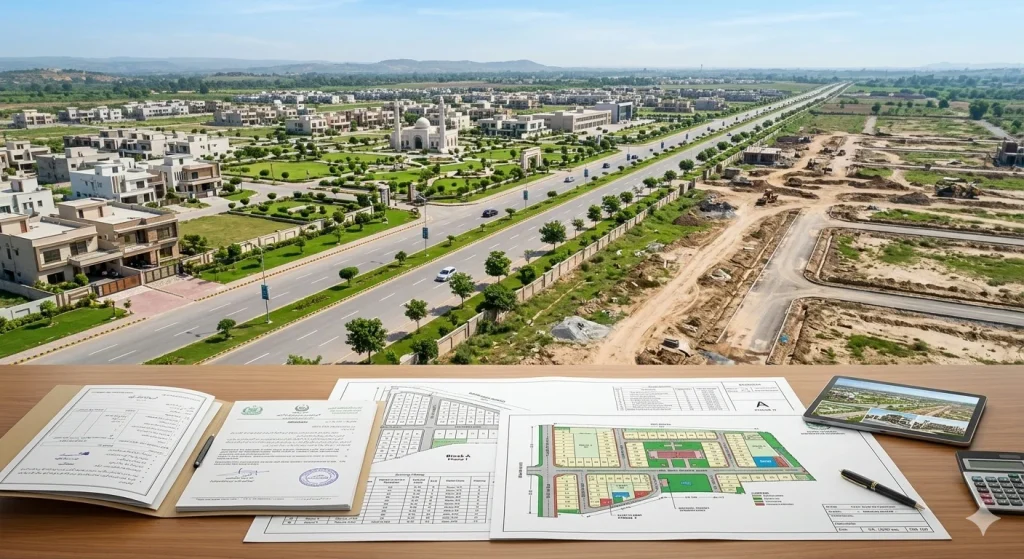
Housing societies play a major role in Pakistan’s real estate structure. They introduce file-based systems to raise funds for development.
However, not all societies operate transparently. Some are well-managed, while others lack proper planning and approvals.
That is why buyers should always research:
- Developer reputation
- Past project success
- Legal status of society
- Development progress
Tips for First-Time Property Buyers
If you are new to real estate investment, keep these tips in mind:
- Start with registry-based property if possible
- Avoid unverified file deals
- Never invest only based on low price
- Research before committing money
- Focus on long-term value, not short-term profit
Real estate can be highly profitable, but only when decisions are made carefully.
Conclusion
Understanding plots, files, and registry in Pakistan real estate market is essential for every buyer and investor. Each type has its own benefits and risks, but the key difference lies in security and ownership rights.
Plots offer physical ownership, files offer future promises, and registry provides legal protection. For safe investment, always prioritize verified registry properties or well-approved housing societies.
By making informed decisions and avoiding shortcuts, you can protect your investment and build long-term financial stability in Pakistan’s growing real estate market.
The post Plots, Files, and Registry in Pakistan Real Estate: Complete Guide for Buyers appeared first on Asset Makers.
]]>The post Cement Sales Surge 2026: How It Impacts Pakistan Real Estate Investment appeared first on Asset Makers.
]]>For investors, this trend is more than just an industrial update it is a key signal for future opportunities in the Pakistan real estate market. Understanding this connection can help buyers and investors make smarter decisions in a rapidly changing environment.
Rising Cement Sales: A Sign of Construction Boom
Cement is one of the most important materials used in construction. When cement sales increase, it usually means that construction projects are rising as well. In 2026, Pakistan is witnessing stronger demand for cement due to:
- New housing societies under development
- Expansion of urban infrastructure projects
- Government-backed construction initiatives
- Increased private sector investment in real estate
This rising demand is not random; it reflects broader economic activity and confidence in the property market. As construction expands, it creates a ripple effect across real estate prices and investment opportunities.
Impact on Real Estate Prices in Pakistan
One of the most direct effects of increased cement sales is the rise in property values. When construction activity increases, land and housing demand also grow. This leads to higher prices in both residential and commercial segments.
In Pakistan, especially in developing cities and suburban areas, this trend is more visible. Areas near major infrastructure projects or newly developed roads often experience:
- Rapid increase in land value
- Higher demand for residential plots
- Growth in apartment and housing projects
- Increased investor interest in early-stage development
For investors, this means that identifying emerging areas early can lead to significant returns.
Growth of Housing Societies and Urban Expansion
The housing society sector in Pakistan is one of the biggest beneficiaries of rising cement consumption. Modern housing societies require continuous construction activity, from roads and drainage systems to residential and commercial units.
In 2026, more developers are focusing on:
- Affordable installment-based housing projects
- Gated communities with modern infrastructure
- Mixed-use developments combining residential and commercial spaces
- Smart housing projects with better planning and facilities
As cement usage increases, it ensures that these projects progress steadily without delays. This improves investor confidence and encourages more people to invest in housing schemes.
Infrastructure Development Driving Real Estate Growth
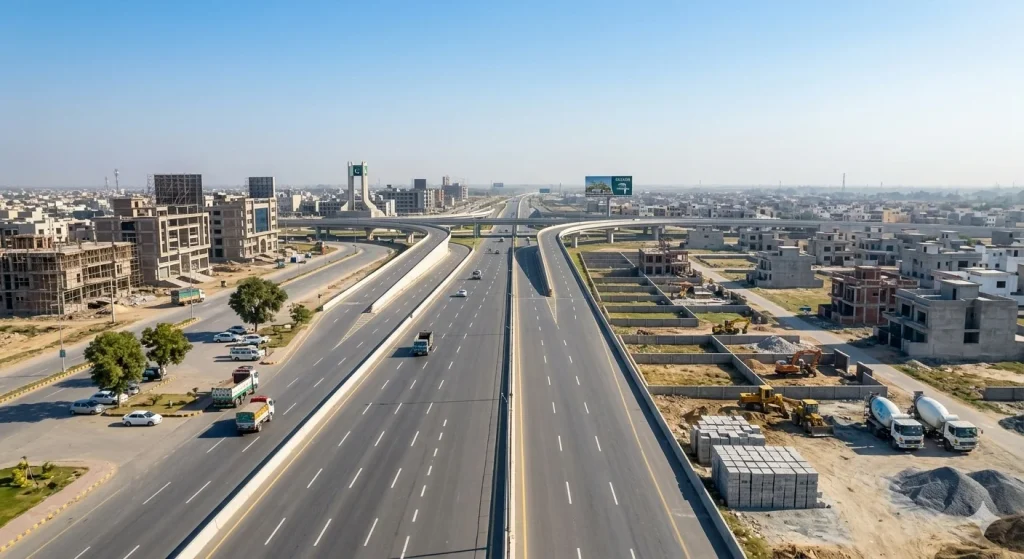
Infrastructure development plays a critical role in shaping the real estate market. New highways, bridges, metro systems, and urban expansion projects increase accessibility and connectivity. This directly affects property prices in nearby areas.
In Pakistan, ongoing infrastructure development is leading to:
- Better connectivity between cities and suburbs
- Expansion of new residential zones
- Increased commercial activity near major roads
- Rising demand for land in previously underdeveloped areas
Cement consumption rises significantly during such large-scale projects, making it a strong indicator of future real estate growth.
Investment Opportunities in 2026 Real Estate Market
For investors, the surge in cement sales provides a valuable insight into future market trends. When construction activity increases, it usually leads to long-term appreciation in property values.
Some of the key investment opportunities in 2026 include:
1. Emerging Housing Societies
New housing projects often offer lower entry prices. Early investment in these societies can lead to high returns once development is complete.
2. Suburban Development Areas
Cities like Lahore, Karachi, Islamabad, and Faisalabad are expanding outward. Suburban areas connected through new roads are becoming attractive for investment.
3. Commercial Real Estate
With urban growth, demand for shops, offices, and business centers is increasing. This creates strong opportunities in commercial property investment.
4. Plots Near Infrastructure Projects
Areas near highways, motorways, and industrial zones often experience rapid price appreciation due to improved accessibility.
How Cement Industry Reflects Economic Stability
The cement industry is closely linked with overall economic performance. When cement production and sales rise, it usually indicates:
- Higher construction activity
- Increased government spending on infrastructure
- Strong private sector confidence
- Economic expansion in urban development
For real estate investors, this is an important macroeconomic signal. A strong cement sector often means the property market is also entering a growth phase.
Risks Investors Should Consider
While rising cement sales indicate growth, investors should also be cautious and informed. For better protection against property-related risks, it is important to understand how scams can be avoided using verification systems. Read our guide on How to Avoid Property Fraud in Pakistan Using New Digital Verification Systems. The real estate market can be influenced by several factors such as inflation, interest rates, and regulatory changes.
Some key risks include:
- Overvaluation of property in speculative areas
- Delays in housing project completion
- Changes in government policies or taxes
- Market fluctuations due to economic conditions
Smart investors always analyze long-term fundamentals instead of short-term hype.
Smart Investment Strategy for 2026
To take advantage of the current trend, investors should focus on a strategic approach rather than emotional decisions. Some effective strategies include:
- Investing in verified and approved housing societies
- Choosing locations near infrastructure development
- Diversifying investment across residential and commercial sectors
- Monitoring cement industry trends as a leading indicator
- Focusing on long-term appreciation instead of quick profit
By following these strategies, investors can reduce risk and improve returns in the Pakistan real estate market.
Future Outlook of Pakistan Real Estate Market
The outlook for 2026 and beyond appears positive for Pakistan’s real estate sector. With continued urbanization, infrastructure expansion, and rising construction activity, demand for property is expected to remain strong.
Cement sales will continue to play a key role as a leading indicator of this growth. As long as construction activity remains strong, the real estate sector is likely to benefit from increased demand and rising property values.
Conclusion
The cement sales surge in 2026 is more than just an industrial trend it is a strong indicator of Pakistan’s evolving real estate landscape. From housing societies to commercial developments, every segment of the property market is influenced by construction activity.
For investors, understanding this relationship is crucial. Rising cement demand signals growth in infrastructure, increased property values, and expanding investment opportunities. However, success depends on making informed and well-researched decisions.
In simple terms, when cement sales rise, the foundation of real estate investment opportunities becomes stronger—and 2026 is clearly showing signs of that growth trajectory in Pakistan.
The post Cement Sales Surge 2026: How It Impacts Pakistan Real Estate Investment appeared first on Asset Makers.
]]>